
Bybit Hack Marks the Largest Crypto Heist in History: How Can I Save ETH Safely?

In an unprecedented breach, the Bybit Hack has sent shockwaves through the cryptocurrency world, with losses estimated at $1.5 billion—making it one of the largest crypto heists in history. As millions of dollars were stolen and investigations continue, the hack has raised serious concerns about the security practices of crypto exchanges and how individuals can better protect their digital assets. With the dust still settling, one crucial question remains: How can you securely store your ETH in the wake of such a devastating attack? In this article, WEEX will explore the Bybit Hack, its far-reaching consequences, and provide practical tips on safeguarding your ETH and other assets, particularly for those holding Bybit Token or the Bybit native token.
The Bybit Hack: The Largest Crypto Heist in History
The Bybit Hack involved a sophisticated attack on the platform, which resulted in the loss of a massive amount of funds. The hack compromised users' wallets, and the stolen assets included both Bybit coin and various cryptocurrencies like ETH USDT. This attack, believed to be carried out by advanced hackers, has shocked the industry due to its scale and precision.
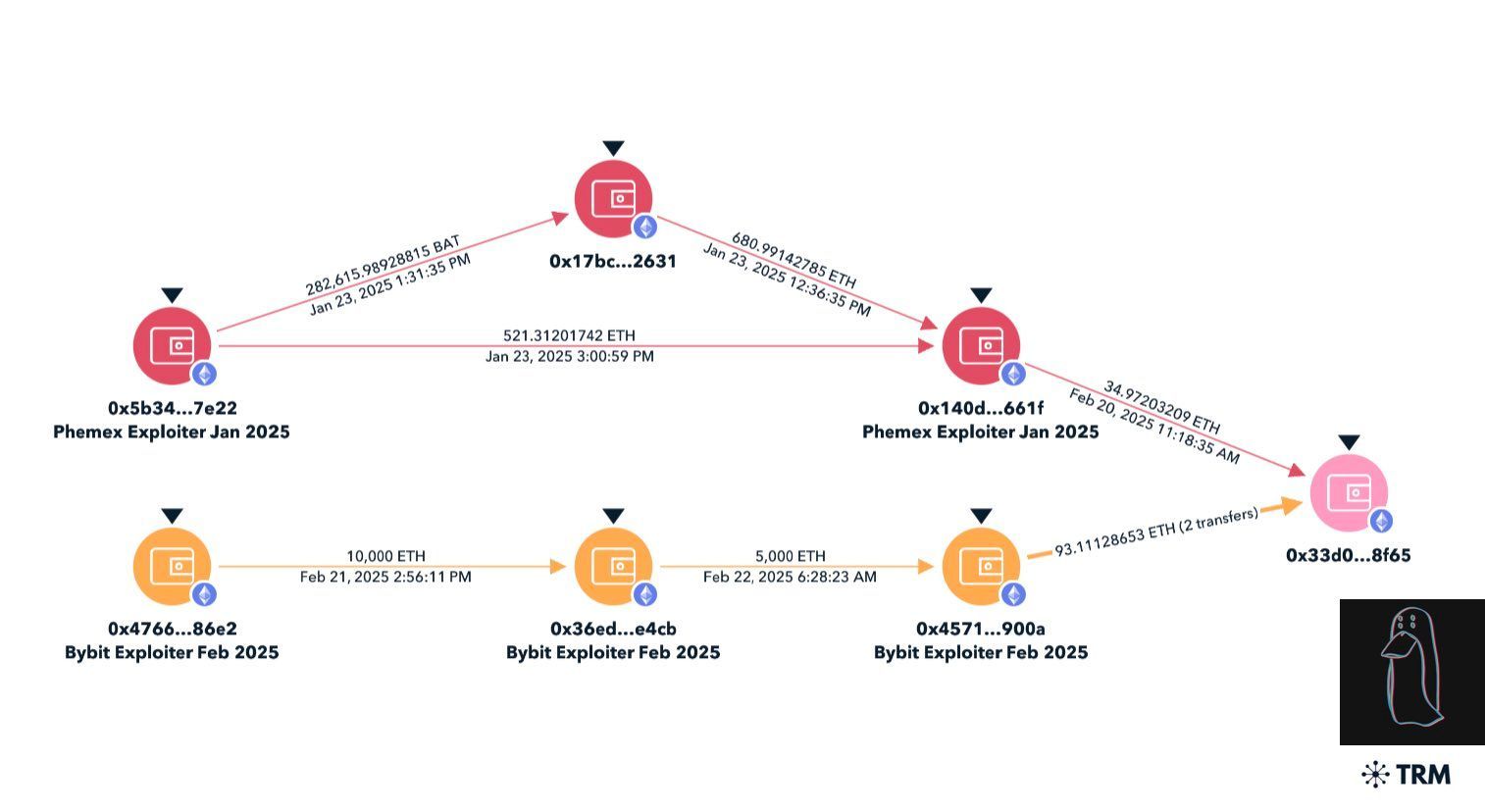
As one of the leading exchanges globally, Bybit’s security breach has caused concern among its millions of users, and many are now reconsidering how and where to store their crypto assets. The incident underscores the vulnerabilities inherent in centralized exchanges and serves as a wake-up call to the broader crypto community.
What Happened During the Bybit Hack?
During the Bybit hack, attackers were able to breach the exchange’s security systems, gaining unauthorized access to Bybit tokens and customer wallets. The Bybit token name was also targeted, and large amounts of Bybit native token were siphoned off. As a result, many users were left scrambling to secure their remaining funds and assess the impact of the breach.
The attack has raised questions about the exchange’s security protocols, highlighting the importance of safeguarding assets in a volatile and high-risk market. Although Bybit has committed to reimbursing users who were affected by the hack, the breach has underscored the growing need for users to take control of their own security measures, especially when it comes to storing ETH and other tokens.
How Can I Save ETH Safely After the Bybit Hack?
After the Bybit hack, it is crucial to rethink how you store and manage your Ethereum (ETH) and other crypto assets. Here are some essential strategies to keep your ETH safe:
1. Use Hardware Wallets for Secure Storage
Hardware wallets like the Ledger Nano S or Trezor provide offline storage for your ETH and other cryptocurrencies. This method ensures your assets are kept far from online threats like hacks or phishing attacks, offering the highest level of security.
2. Enable Two-Factor Authentication (2FA)
Always enable 2FA on your exchange accounts, including Bybit. While it won't prevent a hack on the exchange's servers, it can add an extra layer of security to your personal account. Use an authenticator app (Google Authenticator or Authy) rather than SMS-based 2FA for better protection.
3. Store ETH in Decentralized Wallets
Consider storing your ETH in decentralized wallets such as MetaMask or Trust Wallet. These wallets give you complete control over your private keys, ensuring your assets are safe even if an exchange like Bybit gets hacked.
4. Withdraw Your Funds to a Secure Wallet
If you’re holding large amounts of ETH or Bybit coin, it's recommended to withdraw your funds to a personal wallet that you control. Bybit’s native token and other assets should only remain in exchange wallets for trading purposes, and only in small amounts.
5. Stay Vigilant and Avoid Phishing Attacks
After a major hack like the Bybit hack, phishing attacks targeting users are more common. Be cautious about unsolicited emails, fake websites, and other scams. Always double-check the URL and make sure you're logging into the correct platform.
6. Consider Storing ETH on Multiple Platforms
For added security, consider diversifying the storage of your ETH across multiple wallets or platforms. This will reduce the risk of losing all your assets if one platform is compromised, offering a level of redundancy.
How to Spot Suspicious Transactions Like the Bybit Hack
It’s crucial for crypto users to be vigilant in monitoring their assets. Here are key red flags to watch for:
- Unusual Wallet Activity: Sudden large withdrawals, such as a $1.5 billion outflow in minutes, are a major red flag.
- High-Frequency Transfers: Hackers often split stolen funds into smaller amounts and move them across numerous wallets as part of a laundering tactic.
- Interaction with Mixers: Watch for transactions routed through privacy tools like Tornado Cash or Wasabi Wallet, which are often used to obscure the origins of stolen funds.
- Mismatched Timestamps: Transactions occurring during off-peak hours or low-traffic periods could be an attempt to avoid scrutiny.
- Smart Contract Anomalies: Unverified contracts that are receiving or draining funds can be a sign of malicious activity.
Tools to Monitor Transactions
To stay ahead of potential threats, use these tools to track and monitor suspicious activity:
- Blockchain Explorers: Platforms like Etherscan or BscScan allow you to track the movement of ETH and Bybit Token (BIT) on the blockchain.
- Alert Systems: Set up notifications for large wallet movements using services like Whale Alert, which notifies you about high-value transactions.
- Risk Assessment Platforms: Use tools like Chainalysis or TRM Labs to screen addresses for illicit links and suspicious activity.
How Does the Bybit Hack Affect the Bybit Token?
With the massive loss of Bybit tokens in the hack, the price of the Bybit native token has experienced volatility. The value of Bybit coin has been under pressure as traders and users move their funds off the exchange in light of the security breach. However, Bybit has assured its community that they are working to resolve the issue and strengthen their security measures.
Despite this assurance, the hack has prompted many crypto investors to reconsider their reliance on centralized exchanges like Bybit for long-term holdings. Users are now more inclined to secure their Bybit coin and other assets by transferring them to private wallets or decentralized exchanges.
Why This Hack is a Wake-Up Call for Crypto Users
The Bybit Hack is a significant reminder of the risks involved in crypto trading, especially when assets are stored on centralized exchanges. While exchanges like Bybit provide convenience and liquidity, they also pose a risk to users who leave their funds on the platform for extended periods.
As the hack demonstrates, users must take proactive steps to safeguard their digital assets, especially high-value tokens like ETH and Bybit coin. Utilizing personal wallets, setting up robust security protocols, and staying informed about the latest threats are critical steps in protecting your investments in the volatile world of cryptocurrency.
Conclusion: Take Control of Your Crypto Security Today
In the aftermath of the Bybit hack, it's more important than ever to understand the risks associated with storing ETH and other tokens on centralized exchanges. By following the tips above, you can take control of your digital assets and safeguard them against future hacks. Whether you're holding Bybit tokens, ETH, or Bybit native token, securing your assets is crucial to ensuring they remain safe in the long term.
Be sure to explore hardware wallets, decentralized options, and never leave your assets exposed. Stay informed about the latest developments from Bybit and the crypto world, and always prioritize security when dealing with your digital wealth.
Stay safe, stay secure, and trade with peace of mind.
You may also like

What Is SAOS? Strategic American Oil Supply Token Explained
SAOS is a meme token on Solana with a 75,000 USD market cap and 22,000 USD locked liquidity, positioned around oil supply themes but lacking real asset backing
It thrives on pure narrative speculation, with no utility, website, or doxxed team, making it highly volatile and attention-dependent
Traders should distinguish SAOS from legitimate real-world asset projects, as its branding is speculative rather than substantive
Positive aspects include locked liquidity reducing rug pull risks, but low trading activity signals high uncertainty
How to Buy Public Asset Control (PAC) Token in 2026: Latest Solana Buying Guide
How to buy Public Asset Control (PAC) token in 2026, PAC contract address, Solana wallet setup, Jupiter swap guide, latest price, liquidity, and risks.
What Is Public Asset Control (PAC) Token and How Does It Work? Latest Solana PAC Token Guide
Public Asset Control (PAC) token explained. Learn what PAC is, how it works on Solana, current price snapshot, risks, and buying basics.
Can PAC Coin Reach $1 Soon? Analyzing Public Asset Control
PAC is a Solana-based meme token with a government-themed narrative, but it is highly speculative.
At its current price (~$0.0009) and 1B supply, reaching $1 would require a $1B market cap, which is very unlikely.
Short-term moves to $0.001 or $0.01 are more realistic, but the token is highly volatile due to low liquidity and hype-driven trading.
Overall, $1 is not a realistic target, and PAC is better suited for short-term speculation than long-term investment.
United Nations Oil Reserve (UNOS) Crypto: Solana Token, UN Links, and Risks
United Nations Oil Reserve (UNOS) Crypto explained: Solana token basics, UN links, oil-backing claims, market risks, contract checks, and buying cautions.

What Is Public Asset Control (PAC) Coin? Explained for Beginners
Public Asset Control (PAC) is a Solana-based token that uses a “government asset control” narrative involving oil and gold themes, but it has no verified ties to any real institutions or governments. It is mainly an entertainment-focused, speculative meme coin.
The project’s claims about links to entities like BlackRock or Palantir are unverified, and its own disclaimer states it is not a real financial or institutional asset. Like many new Solana tokens, PAC is highly volatile, with low liquidity and limited transparency, including no fully verified audit.
Overall, PAC is a high-risk speculative token driven by hype and storytelling rather than real utility. Beginners are advised to be cautious, verify contract details, and prioritize risk control before considering any trading.

What Is Official Saudi Oil Reserve (OSOR) Coin?
Learn what OSOR coin is, why its Saudi oil narrative matters, how to verify the contract, and what risks to check before trading.

Global Digital Oil Reserve (GDOR): What It Is, Risks, and How to Check It
Global Digital Oil Reserve (GDOR) is an oil-themed Solana token with unclear backing. Learn its risks, market data, and verification checklist.
Is OBC Crypto a Good Investment?
Is OBC crypto a good investment? We analyze the latest market data, holder concentration, liquidity risks, and short-term momentum. Read this before you invest in OBC token.

Can OSOR Reach $1? Full Price Analysis 2026
OSOR crypto price prediction 2026: Can Saudi Oil Reserve token reach 1? Read before buying.

What is International Oil Supply (IOS) Coin?
Wondering what is IOS crypto? Here’s a straight look at International Oil Supply (IOS) coin—the Solana token tied to oil reserve data. Contract address, risks, and what’s still unverified.

What Is the Unified International Token (UNIT)? Is UNIT Crypto Legit or Scam?
what is UNIT crypto? Here’s a breakdown of the Unified International Token ($UNIT), how it ties to BRICS+ data, where to buy it, and why it’s a conceptual project—not an official currency.
What Is Stablecoin Business OS (SBOS) Coin?
What is SBOS crypto? We break down Stablecoin Business OS, its USDC invoicing tools, AI finance assistant, token contract address, and real utility for online businesses.
World Collective Oil Reserve ($WCOR) Price Prediction: May 2026 Rally Analysis and Future Outlook
Is $WCOR a good investment? Read our comprehensive World Collective Oil Reserve price prediction and market analysis for 2026-2030. Learn about the energy narrative on Solana and start your trading journey with WEEX rewards.

Is $PAC Token a Good Investment in 2026? Price, Risks, and Market Analysis
A data-driven analysis of Public Asset Control (PAC) token: current price, market cap, liquidity, $1 target feasibility, and risk factors. Is it a legitimate investment or a high-risk meme coin?
NEAR Airdrop: Join WEEX to Share 50,000 USDT in Crypto Rewards
Join the NEAR airdrop on WEEX from May 7 to May 14 to share a 50,000 USDT prize pool. New users can earn rewards through deposits and spot trades with zero-fee trading advantages.

How to Buy $WCOR Coin: Should I Invest or Is It Just Hype?
Learn how to buy $WCOR coin on Solana and explore its latest 57% price surge. This expert guide analyzes whether WCOR is a solid investment or speculative hype.
What Is $PAC Token? Legitimate Crypto or Just A High-Risk Meme Coin?
Is Public Asset Control ($PAC) a real asset-backed token or just another meme coin narrative? We analyze its official website, market data, and risks.
What Is SAOS? Strategic American Oil Supply Token Explained
SAOS is a meme token on Solana with a 75,000 USD market cap and 22,000 USD locked liquidity, positioned around oil supply themes but lacking real asset backing
It thrives on pure narrative speculation, with no utility, website, or doxxed team, making it highly volatile and attention-dependent
Traders should distinguish SAOS from legitimate real-world asset projects, as its branding is speculative rather than substantive
Positive aspects include locked liquidity reducing rug pull risks, but low trading activity signals high uncertainty
How to Buy Public Asset Control (PAC) Token in 2026: Latest Solana Buying Guide
How to buy Public Asset Control (PAC) token in 2026, PAC contract address, Solana wallet setup, Jupiter swap guide, latest price, liquidity, and risks.
What Is Public Asset Control (PAC) Token and How Does It Work? Latest Solana PAC Token Guide
Public Asset Control (PAC) token explained. Learn what PAC is, how it works on Solana, current price snapshot, risks, and buying basics.
Can PAC Coin Reach $1 Soon? Analyzing Public Asset Control
PAC is a Solana-based meme token with a government-themed narrative, but it is highly speculative.
At its current price (~$0.0009) and 1B supply, reaching $1 would require a $1B market cap, which is very unlikely.
Short-term moves to $0.001 or $0.01 are more realistic, but the token is highly volatile due to low liquidity and hype-driven trading.
Overall, $1 is not a realistic target, and PAC is better suited for short-term speculation than long-term investment.
United Nations Oil Reserve (UNOS) Crypto: Solana Token, UN Links, and Risks
United Nations Oil Reserve (UNOS) Crypto explained: Solana token basics, UN links, oil-backing claims, market risks, contract checks, and buying cautions.
What Is Public Asset Control (PAC) Coin? Explained for Beginners
Public Asset Control (PAC) is a Solana-based token that uses a “government asset control” narrative involving oil and gold themes, but it has no verified ties to any real institutions or governments. It is mainly an entertainment-focused, speculative meme coin.
The project’s claims about links to entities like BlackRock or Palantir are unverified, and its own disclaimer states it is not a real financial or institutional asset. Like many new Solana tokens, PAC is highly volatile, with low liquidity and limited transparency, including no fully verified audit.
Overall, PAC is a high-risk speculative token driven by hype and storytelling rather than real utility. Beginners are advised to be cautious, verify contract details, and prioritize risk control before considering any trading.


